Rapid Heating (60 seconds)
Graphene-based panels are designed to respond quickly to power. Final warm-up performance depends on the panel model, power, cabin layout and control settings.
Graphene Far-Infrared Technology
Our graphene far-infrared panels are carefully designed for rapid warm-up, stable surface temperatures and even radiant heat distribution. Model-specific wavelength, electromagnetic field and electrical safety documentation is available to qualified buyers.
How It Works
Graphene far-infrared heating uses a conductive graphene layer to convert electricity into radiant heat at the panel surface, rather than relying solely on hot-air circulation.
For saunas and wellness equipment, the aim is to build a stable radiant heating system around panel layout, power density, control matching, insulation and installation space. Our graphene heating panels are designed to support the 6–14 μm far-infrared band under rated operating conditions; model-specific documentation can be discussed during technical review.
This makes the technology suitable for OEM saunas, custom infrared rooms, heating-panel replacement projects and distributors seeking direct factory supply of heating cores with configurable dimensions, voltage, power and mounting formats.
Factory evidence
These photographs show equipment and working areas inside our factory. Final product specifications and process requirements are confirmed for each approved project.
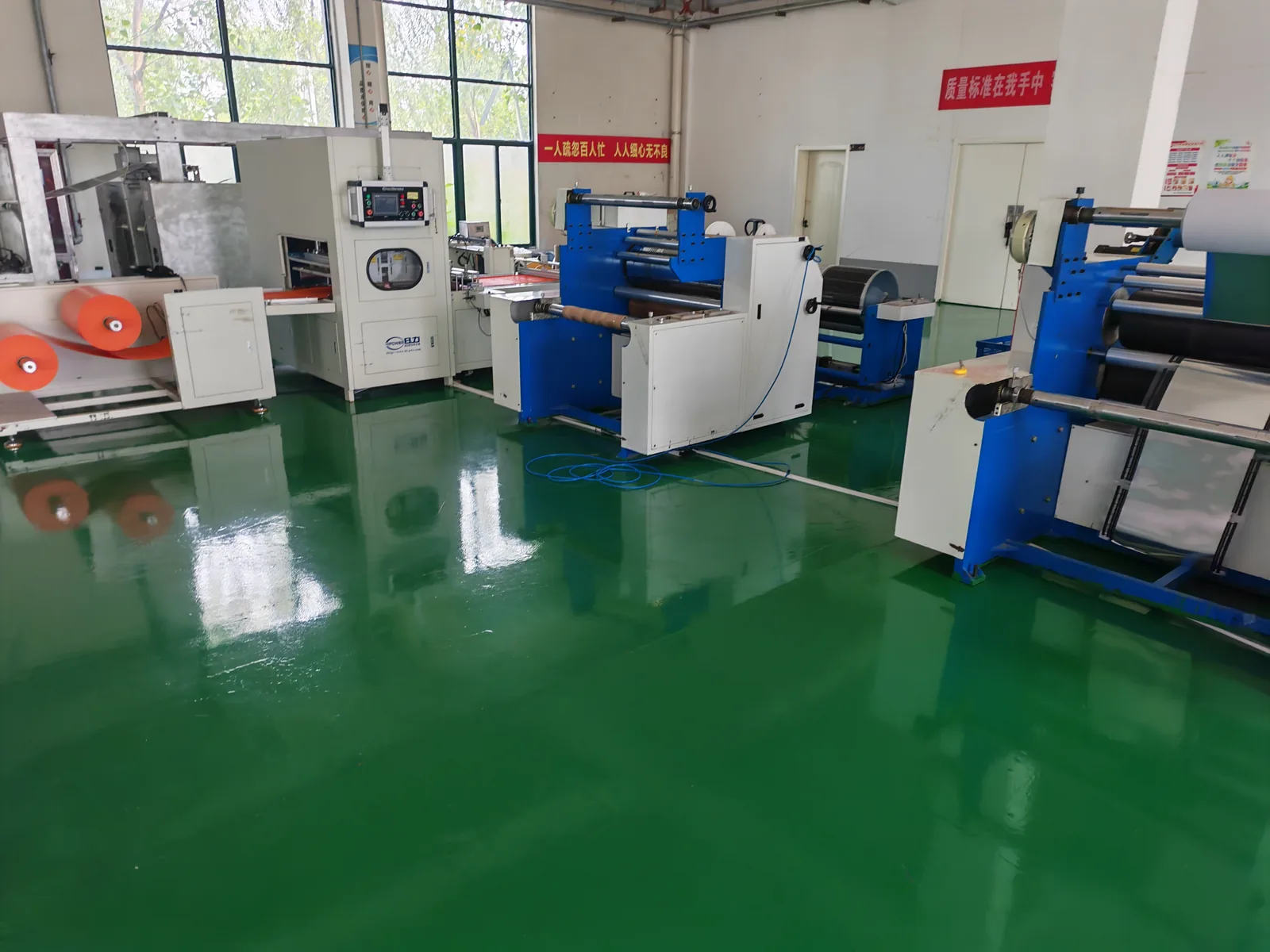
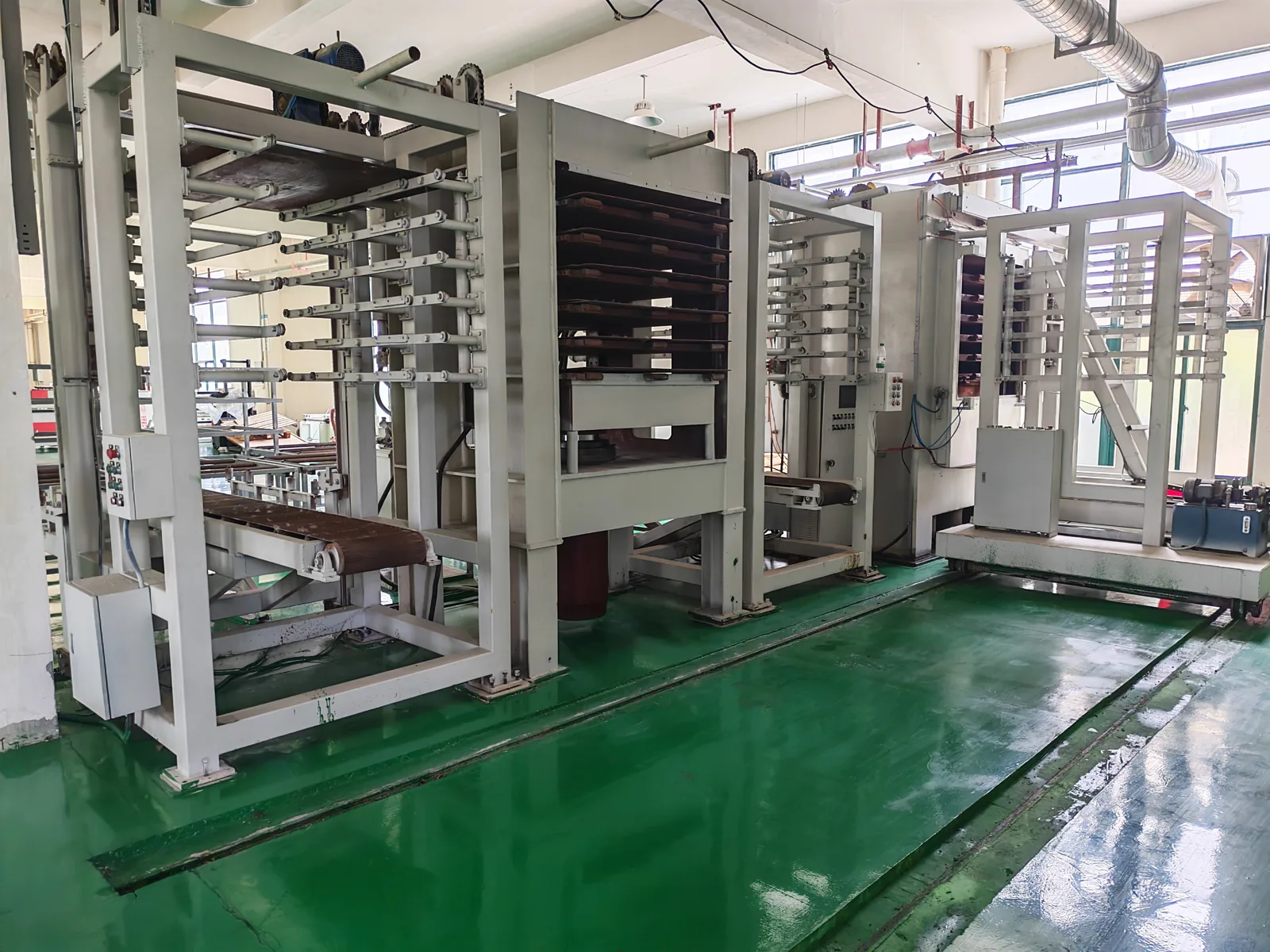
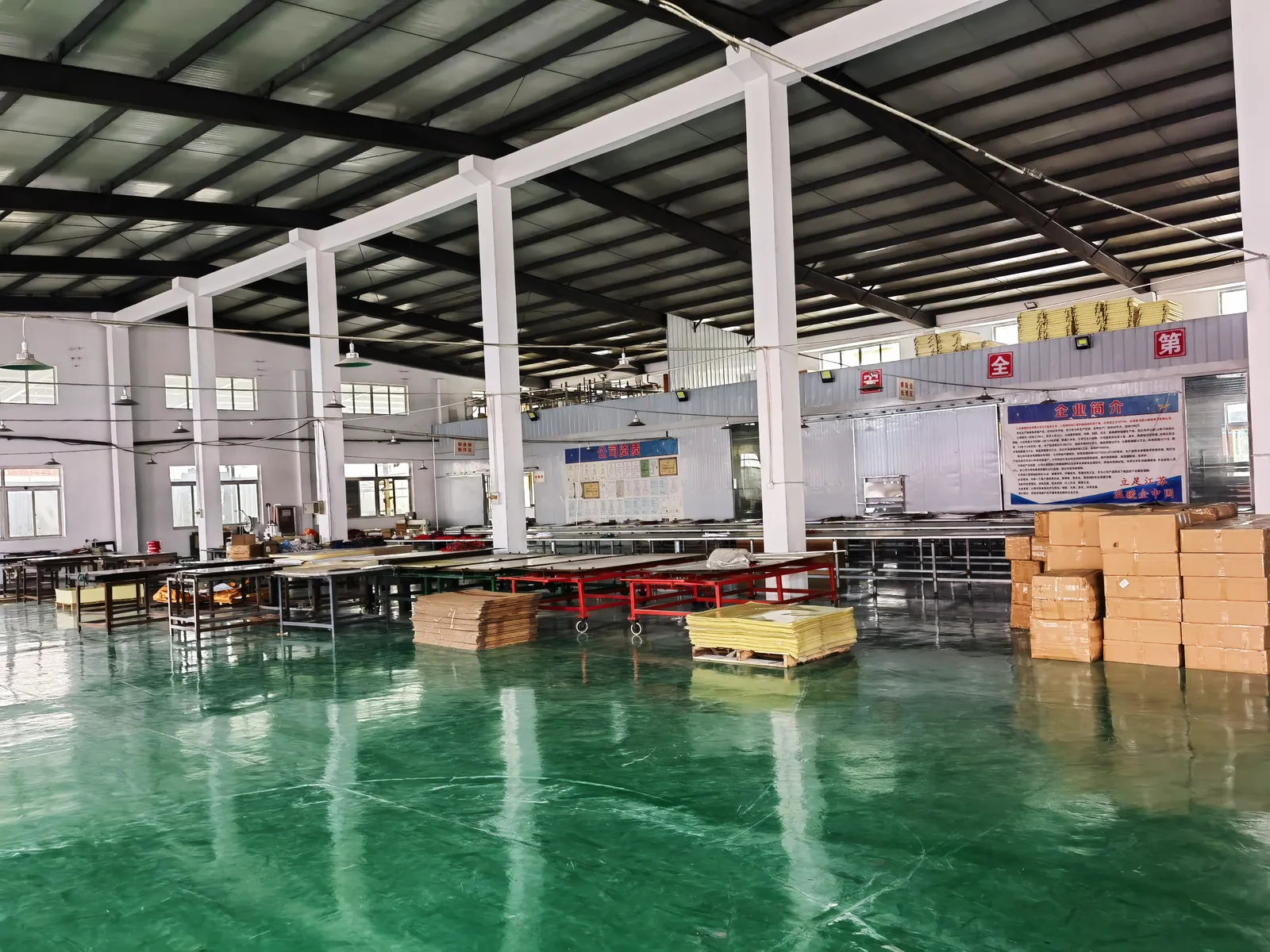
The options below are listed in our heating panel specification sheet. Before ordering, confirm the required dimensions, thickness, voltage and power density combination for the selected panel configuration.
| Specification | Listed options |
|---|---|
| Panel dimensions, L × W | 600 × 1000, 600 × 700, 300 × 1000, 300 × 700, 300 × 400 or 165 × 900 mm; custom sizes for project requirements can also be discussed. |
| Panel thickness | 1.0 or 1.2 mm |
| Rated voltage | 110 V or 220 V, depending on the selected configuration. |
| Typical power density | 850 or 900 W/m² |
| Substrate | Epoxy resin board |
| Electrode structure | Copper composite electrode |
| Temperature control compatibility | NTC temperature probe and matching temperature controller |
Power density is expressed per square metre and is not the power of an individual panel. Confirm the rated power, electrical connections and controller requirements for the selected panel configuration.
Key Advantages
Graphene-based panels are designed to respond quickly to power. Final warm-up performance depends on the panel model, power, cabin layout and control settings.
Under rated operating conditions, the far-infrared radiation wavelength range is 6–14 μm. Exact spectral data should be confirmed against the model and test report.
Graphene panels are designed for high electrical-to-radiant energy conversion efficiency and stable surface temperature. Model-specific energy consumption data can be provided on request.
Low-EMF design supports sauna heating projects through considered component layout, wiring design and model-specific technical documentation.
Graphene panels are designed for long service life, helping reduce the total cost of ownership over the product lifecycle.
Panel layouts are intended to provide broad coverage and even heat distribution. Final cabin performance depends on layout, power, insulation and control settings.
A practical explanation for B2B buyers evaluating graphene far-infrared sauna heating systems.
Far-infrared (FIR) radiation in the 6–14 μm wavelength range lies within the thermal infrared band, the region of the electromagnetic spectrum where warm objects naturally radiate heat.
Unlike conventional resistance-wire heaters that primarily heat the surrounding air, far-infrared heating panels transfer heat primarily through radiation. Their far-infrared energy can be absorbed by surfaces in the sauna, including walls, benches and interior surfaces, producing direct heating that is less dependent on air circulation patterns.
Graphene-based heating panels are designed to support far-infrared radiant heating in the 6–14 μm band under rated operating conditions. This is a physical emission characteristic, not a medical or therapeutic claim. Buyers requiring precise spectral data for product development or regulatory submissions should confirm the applicable documentation through test reports or project-specific technical review. EU buyers can request the heating film CE and RoHS documentation checklist before ordering.